
Keep personal spending in view
Review the household bills and everyday purchases you need to cover, separately from the amount shown on an unpaid invoice.
Ulsa for freelancers
Sending an invoice and receiving the money are different moments. Plan household spending from what is available, with space for commitments that fall between payments.
For adults with UK bank accounts. Available now on iPhone.
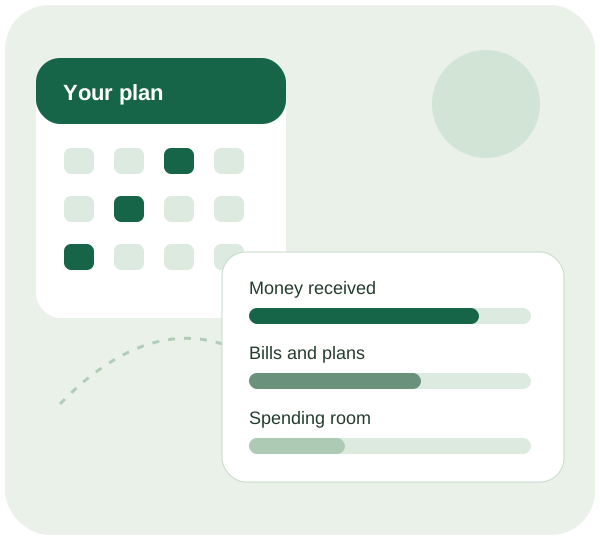
Make room for real life
Review the household bills and everyday purchases you need to cover, separately from the amount shown on an unpaid invoice.
Annual bills and other planned costs still belong in the personal budget when client payments arrive unevenly.
A client payment can be a useful point to review the weeks ahead. Check existing commitments before treating the whole payment as spending money.
Safe to spend, explained
Safe to spend is an estimate based on available account data and included plans. It is not an accounting or tax calculation. Check money reserved for business or tax obligations separately before using the estimate.
Treat the figure as an estimate. Missing transactions, a delayed bank update or a changed bill can alter it. Check what is covered before relying on it.
Read the safe-to-spend guideUlsa connects to supported UK banks through a regulated Open Banking provider. Ulsa cannot move your money or see your bank passwords. You choose whether to connect, and you can disconnect access.
How the bank connection worksHow your data is usedNo. This page concerns personal budgeting. It does not calculate your tax position, recommend a reserve amount or replace records and qualified help for business obligations.
Keep it separate from received money in your spending decisions. Review the plan when the payment arrives, and account for commitments it needs to cover.
Ulsa connects to UK banks through a regulated Open Banking provider with your permission. The connection is read-only: Ulsa cannot move money or see your bank password. It is available on iPhone, with Android coming soon.
A useful next read
A freelancer's personal budget connects household commitments with money actually available from the business. Invoices, profit and bank receipts describe different things. Understanding those differences helps explain payment gaps, business costs and tax timing without treating every client payment as immediately available for personal spending.
An irregular income budget connects the money available now with the costs it must cover before reliable income arrives. Keep confirmed payments separate from forecasts, place commitments on their real dates and make shortfalls visible so the plan reflects what is actually possible.
For each annual or quarterly bill, record the expected cost, due date and money already reserved. Separate the ongoing average from what is needed before the next payment. Keep estimates labelled and review the gap when a new bill or renewal notice arrives.
Start with a clearer view
Review your connected spending and build a plan around your commitments.
See plans and featuresThis page is general information, not financial advice.