
Keep the regular bills visible
Rent and other commitments still matter during a quieter rota. Use spending history to make those costs easier to review.
Ulsa for hospitality workers
Busy periods and quieter weeks can bring different wages. Separate money already received from expected shifts, tips or other payments, then plan the bills that still need covering.
For adults with UK bank accounts. Available now on iPhone.
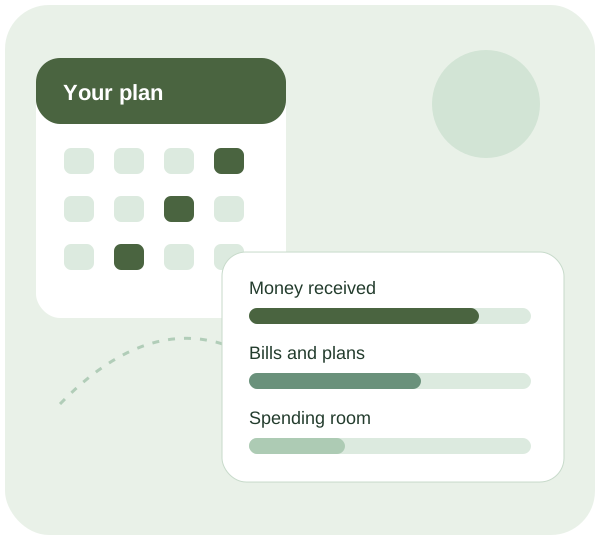
Make room for real life
Rent and other commitments still matter during a quieter rota. Use spending history to make those costs easier to review.
Do not let an unusually busy payday become the assumption for every week. Update the plan when wages and other payments actually arrive.
Travel home, food and other workday purchases belong in the budget as well as spending on days off.
Safe to spend, explained
Your safe-to-spend estimate depends on available account data and included commitments. Cash not recorded, future shifts or payments still due can make the picture incomplete.
Treat the figure as an estimate. Missing transactions, a delayed bank update or a changed bill can alter it. Check what is covered before relying on it.
Read the safe-to-spend guideUlsa connects to supported UK banks through a regulated Open Banking provider. Ulsa cannot move your money or see your bank passwords. You choose whether to connect, and you can disconnect access.
How the bank connection worksHow your data is usedA read-only bank connection shows the bank data available to it. Cash not reflected there will not automatically be part of that picture, so check it separately when planning.
Check which bills still need covering and avoid treating that payment as a promise about future weeks. Review your plan again when the next pay arrives.
Ulsa connects to UK banks through a regulated Open Banking provider with your permission. The connection is read-only: Ulsa cannot move money or see your bank password. It is available on iPhone, with Android coming soon.
A useful next read
A shift worker's budget separates confirmed take-home pay from planned hours and uncertain extras. It also connects payday timing with household bills and the costs of working each rota. This makes changes easier to explain without assuming every busy week produces immediately available money.
A zero-hours budget describes money at different stages: possible shifts, completed work and pay received. Separating those stages makes income uncertainty visible. Dates and necessary costs matter as much as the expected wage, especially when a quiet rota follows a busy pay period.
A cash-flow calendar puts income and payments in date order. It helps reveal whether a difficult week comes from payment timing, an overall shortfall or both. Include everyday spending, uncertain income and transfers between accounts to make the picture useful.
Start with a clearer view
Review your connected spending and build a plan around your commitments.
See plans and featuresThis page is general information, not financial advice.