
Start with take-home pay
Use the amount that reaches your account. A salary in a job offer does not show what is available after payroll deductions or when the first payment will arrive.
Ulsa for young professionals
A new job brings a payslip and often a new set of costs. Put rent, commuting and everyday spending in the same picture before deciding what is available.
For adults with UK bank accounts. Available now on iPhone.
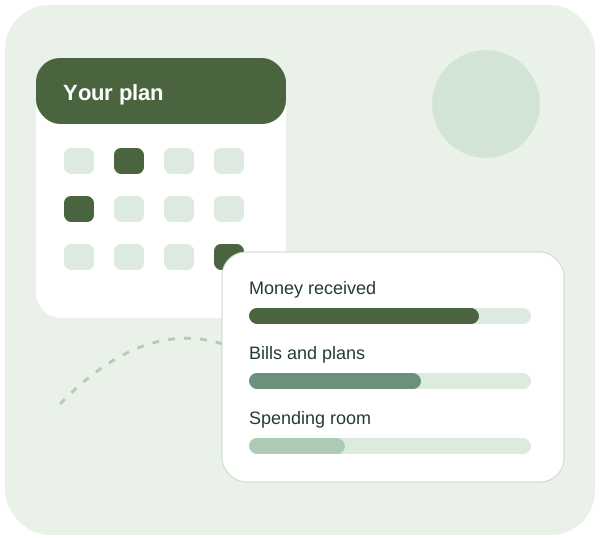
Make room for real life
Use the amount that reaches your account. A salary in a job offer does not show what is available after payroll deductions or when the first payment will arrive.
Include travel, lunches and the costs of setting up a new routine alongside rent and household bills. Review the pattern once you have a few ordinary weeks to look at.
Moving costs, annual bills and visits home can fall outside an ordinary working week. Keep those plans visible when deciding what is available for social spending.
Safe to spend, explained
Safe to spend is an estimate from available account data and the bills and plans included. A first payslip may cover only part of a month, so check your actual payment and the dates your commitments fall due.
Treat the figure as an estimate. Missing transactions, a delayed bank update or a changed bill can alter it. Check what is covered before relying on it.
Read the safe-to-spend guideUlsa connects to supported UK banks through a regulated Open Banking provider. Ulsa cannot move your money or see your bank passwords. You choose whether to connect, and you can disconnect access.
How the bank connection worksHow your data is usedUse take-home pay that has actually arrived for your spending plan. Gross salary, payroll deductions and a partial first month can make the payment different from the headline figure.
Map the dates and the money already available before making commitments. An expected salary does not cover an earlier payment until it arrives. If a payment may be missed, contact the organisation concerned early.
Ulsa connects to UK banks through a regulated Open Banking provider with your permission. The connection is read-only: Ulsa cannot move money or see your bank password. It is available on iPhone, with Android coming soon.
A useful next read
In this guide, safe to spend means an estimate of money left for flexible spending after the commitments included in a plan. Its meaning depends on the period covered and the information used. A positive figure cannot guarantee that every future cost has been accounted for.
A cash-flow calendar puts income and payments in date order. It helps reveal whether a difficult week comes from payment timing, an overall shortfall or both. Include everyday spending, uncertain income and transfers between accounts to make the picture useful.
For each annual or quarterly bill, record the expected cost, due date and money already reserved. Separate the ongoing average from what is needed before the next payment. Keep estimates labelled and review the gap when a new bill or renewal notice arrives.
Start with a clearer view
Review your connected spending and build a plan around your commitments.
See plans and featuresThis page is general information, not financial advice.